Hybrid training
Programming, pacing and conditioning for people racing hybrid events.
-

Calf and Achilles care for people who push sleds
Sled pushes, running and jumping all load the calves and Achilles. Strength work and load management that keep them healthy through a race build.
-

Starting hybrid training: the first eight weeks
New to running and lifting together? A gentle eight-week start that builds habits, basic fitness and technique before you even think about a race.
-

Five benchmark workouts to test your hybrid fitness
A timed run, an erg test, a station test and two mixed workouts. Five benchmarks to repeat every few months and see whether your training is working.
-

Breathing under load: bracing versus breathing on stations
Holding your breath helps heavy lifts but hurts long stations. How to brace and still breathe on sleds, carries, lunges and wall balls.
-

Hybrid brick sessions: pairing runs with stations
Borrowed from triathlon, brick sessions stack one discipline straight onto another. Five hybrid bricks that train the switch from station to run.
-

Burpee efficiency: saving energy on every rep
Burpees appear in almost every hybrid race. Small changes to how you drop, push up and stand add up to minutes over a race.
-

Caffeine before a race: timing and tolerance
Caffeine is one of the few supplements with solid support for performance. How to time it, why tolerance matters, and why race day is no time to experiment.
-

Running and lifting together: managing the interference
Endurance and strength work can compete for recovery. How to order sessions, space them out and keep both improving when you train for hybrid races.
-

Core training that carries over to sleds and wall balls
Sit-ups are not the answer. Anti-extension, anti-rotation and carry work that builds a core able to hold position under hybrid race loads.
-

Moving from CrossFit to hybrid racing
CrossFit athletes arrive with the movements and the grit. What changes is pacing for an hour, running volume, and learning to go slower early.
-

Deload weeks: when to back off and how much
A planned easier week lets fitness catch up with training. When to deload, how much to cut, and the warning signs that you need one sooner.
-

Partner sessions to train for a Doubles race
You-go-I-go intervals, shared station sets and paced runs together. Five partner sessions that prepare a team for HYROX Doubles and other pairs races.
-

Building your engine on the ergs: intervals that work
Rowers, SkiErgs and bikes build fitness without the pounding of running. Four erg interval sessions and how to fit them around your running.
-

Fuelling hybrid training: more carbohydrate on the hard days
Hard sessions run on carbohydrate. How to match what you eat to what you train, so hybrid sessions stay high quality without overthinking food.
-

Grip strength training for sleds, carries and ropes
Grip fails before legs on many hybrid courses. Hangs, carries and holds that build grip endurance for the sled pull, farmers carry and wall balls.
-

Heart rate zones for hybrid training, explained plainly
Five zones, what each one trains, and how to set yours without a lab test. A plain guide to using heart rate in hybrid training.
-

Hill sprints: cheap power for sled and burpee work
Short, steep hill sprints build leg power and running mechanics with little risk. How to run them, how many to do and where they fit in hybrid training.
-
Hybrid training in a home gym: what you really need
A kettlebell, a sandbag, a wall ball and some open road go a long way. What to prioritise in a home set-up for hybrid racing, and what to find elsewhere.
-

A 12-week HYROX build for a first-time racer
A simple three-phase, 12-week structure for a first HYROX: build the base, add race-specific work, then sharpen and taper for race day.
-

Compromised running: training legs to run after stations
Running after sleds, lunges and wall balls feels nothing like fresh running. How to train for it with sessions that pair stations with runs.
-

HYROX race week: how to taper without feeling flat
Cut volume, keep some intensity, and resist the urge to test yourself. A day-by-day approach to the final week before a HYROX race.
-

No SkiErg at your gym? Substitutes that carry over
The SkiErg has a particular hinge-and-pull pattern. Band pull-downs, cable work and rowing get you most of the way. How to train it without the machine.
-

Training for the HYROX sled without a sled
No sled at your gym? Exercises and sessions that build the strength and position for the sled push and pull, and what they cannot replace.
-

Injury prevention for hybrid racers: the usual suspects
Calves, knees, lower backs and shoulders take the most punishment in hybrid training. Where injuries usually come from and the habits that head them off.
-
Coming to hybrid racing from the weights room
Lifters crush the sleds and then fade on the runs. How strength athletes can build a running engine without giving up the strength they already have.
-

Protecting your lower back through sleds and carries
Sleds, carries, deadlifts and wall balls all load the lower back. Bracing, positions and strength work that keep it healthy in hybrid training.
-

Lunge endurance: training the station that wrecks your last run
Walking lunges late in a race drain your legs like nothing else. A progression and supporting exercises to build lunge endurance for hybrid racing.
-

A 10-minute mobility routine for hybrid training
Hips, ankles, thoracic spine and shoulders. A short daily mobility routine that targets the positions hybrid racing asks of your body.
-

Periodisation for hybrid racing, without the jargon
Base, build, peak, taper, recover. How to organise months of hybrid training into phases so you arrive at race day fit, fresh and uninjured.
-

Posterior chain work for hybrid racers
Glutes, hamstrings and back power the sled pull, carries and running. Five posterior chain exercises and how to fit them into a hybrid programme.
-

Protein for hybrid athletes: enough, spread through the day
Protein supports recovery from strength and endurance work. Commonly cited targets, practical food sources and how to spread it across your meals.
-
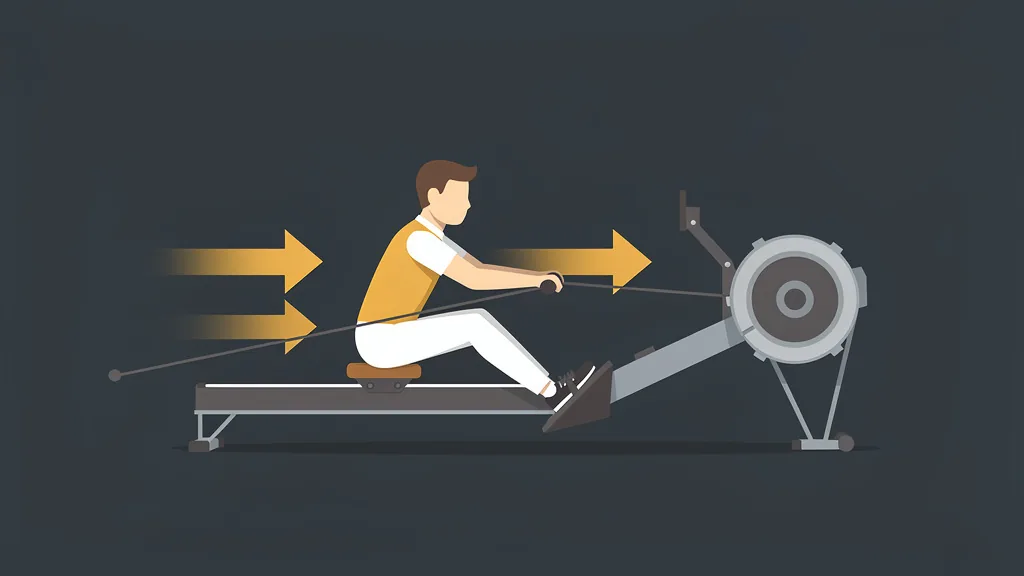
Rowing technique for hybrid racers: legs, body, arms
A good rowing stroke uses legs first and arms last. Stroke sequence, common faults, and drills that make the rower cheaper for hybrid racers.
-

Training by RPE when your heart rate lies
Rate of perceived exertion is a simple 1 to 10 scale. When it beats heart rate for hybrid training, and how to calibrate it so it stays honest.
-

Coming to hybrid racing from running
Runners arrive with a big engine and weak stations. What to add, what to keep, and how to avoid losing your running while building strength.
-

Running cadence for hybrid racers: does it matter?
Step rate gets a lot of attention. When a small cadence change helps hybrid racers, why tired legs make it drop, and how to change it safely.
-

Race simulations: how often and how much
A full race simulation teaches pacing but costs days of recovery. When to run a half or full simulation, how to set it up, and what to learn from it.
-

SkiErg technique: hinge, pull and finish with the legs
Most people use the SkiErg as an arm exercise and tire fast. How to hinge, drive with body weight and keep your grip fresh for later stations.
-

Sleep and recovery for people training twice a day
Training is the stimulus; recovery is where you improve. How sleep, rest days and daily habits decide whether hard hybrid training makes you fitter.
-

Strength training for hybrid racers: two sessions a week
Squat, hinge, lunge, push, pull and carry. A simple two-session strength structure that supports hybrid racing without leaving you too sore to run.
-

Threshold runs: the session that moves your HYROX time
Threshold running lifts the pace you can hold for a long time. What threshold effort feels like, three sessions to try, and how to fit them in.
-

Tracking hybrid training progress without a coach
A training log, a handful of benchmarks and honest notes on how sessions felt. A simple system for seeing whether your hybrid training is working.
-

Training in heat and humidity for hybrid racers
Heat slows everyone down. How to adjust pace and hydration in hot weather, and how some deliberate heat exposure can prepare you for a warm race hall.
-

Keeping hybrid training going while travelling
Hotel gyms, bodyweight circuits and running a new city. How to keep hybrid fitness ticking over on work trips and holidays without stressing about it.
-

Treadmill or road: where hybrid racers should run
Races are indoors, but most running happens outside. When the treadmill helps hybrid racers, when it does not, and how to use both.
-

Building wall ball endurance: a progression to 100 reps
From short sets to 100 reps under fatigue. A progression for wall ball endurance, with technique points that matter most when legs are gone.
-
How to structure a hybrid training week around a job
Three, four or five sessions a week. Sample hybrid training weeks for people with full-time jobs, and which sessions to keep when time runs short.
-

Zone 2 for hybrid racers: how much easy running you need
Easy aerobic work builds the engine that every station and run relies on. What Zone 2 is, how to find it, and how much of it a hybrid racer needs.