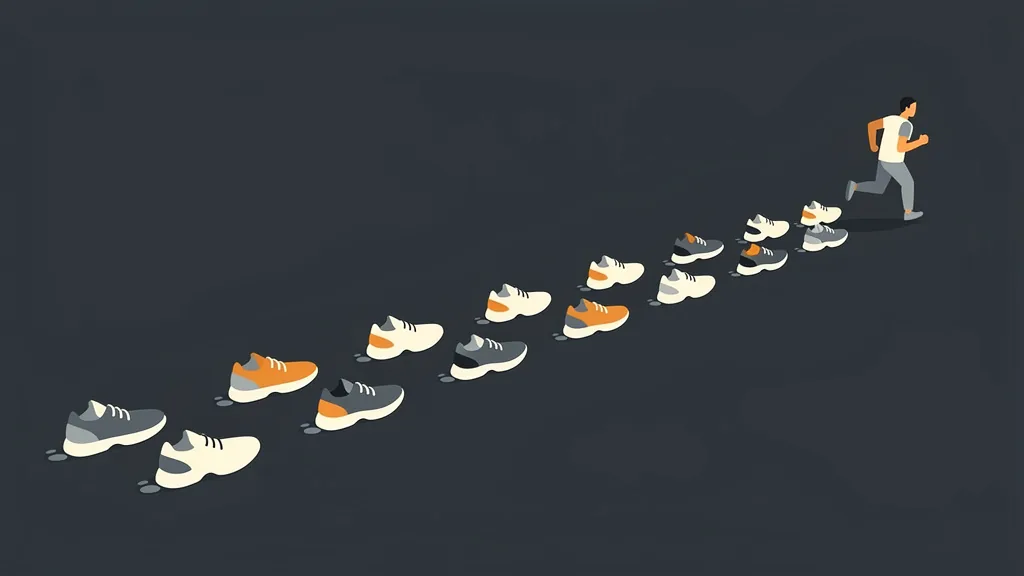
Cadence is the number of steps you take per minute. It gets a lot of attention in running, often with a single “ideal” number attached. The truth is more nuanced, but cadence can matter for hybrid racers.
There is no magic number
Ideal cadence varies with height, leg length, speed and experience. A target that suits one runner may not suit another.
When cadence matters
Overstriding
If you land with your foot far in front of your body, a small increase in cadence can shorten your stride and reduce the load on your knees.
Tired legs
After stations, many racers’ cadence drops and their stride gets long and heavy. Shorter, quicker steps can help you get back to pace.
How to check
Many watches show cadence. Or count your steps for 30 seconds and double it.
Changing it
- Small changes: increase by around 5 percent at a time.
- Use a metronome: many apps and watches have one.
- Short periods first: practise in short sections of runs.
Cadence after stations
In compromised running sessions, focus on quick, light steps for the first 200 metres after each station. See compromised running.
Do not force it
If a new cadence feels awkward or causes pain, go back. Small, gradual changes work best.
Related
Hill sprints can also improve running mechanics.