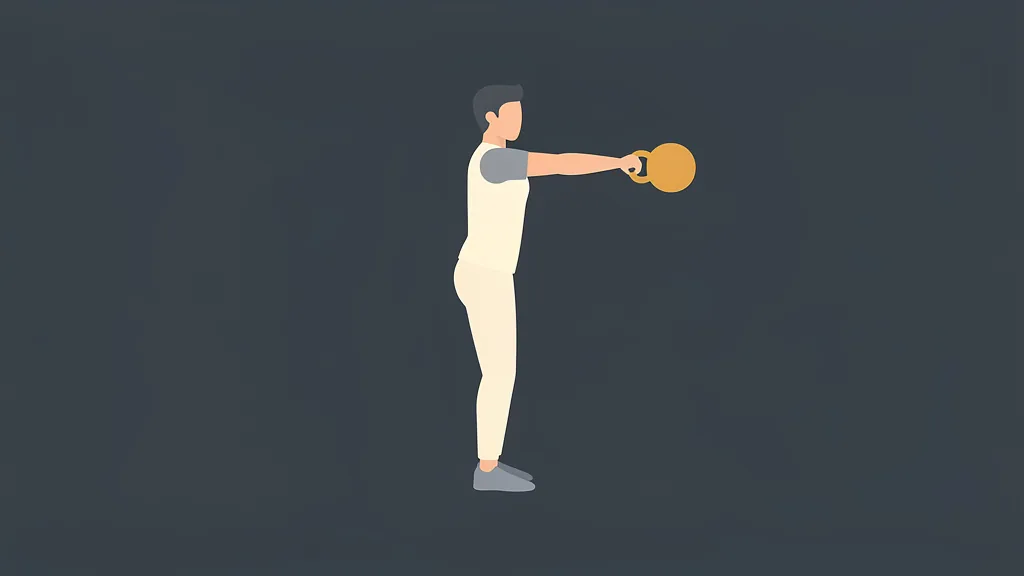
The posterior chain is the muscles on the back of your body: glutes, hamstrings, lower and upper back. They power running, the sled pull, rowing, carries and much more. Strong posterior chain muscles also help protect your back and knees.
Why it matters for hybrid racing
- Running: glutes and hamstrings drive you forward.
- Sled pull: sitting back and pulling uses glutes, hamstrings and back.
- Rowing and SkiErg: the hip hinge is posterior chain work.
- Carries: your back holds you upright.
Five exercises
1. Romanian deadlift
Hinge at the hips with a slight knee bend, lowering the weight along your legs. Hamstrings and glutes.
2. Hip thrust
Back against a bench, drive your hips up with weight on your lap. Glutes.
3. Kettlebell swing
A powerful hip hinge. Glutes, hamstrings and back.
4. Nordic curl or hamstring curl
Hamstring strength, which may help protect against strains.
5. Back extension
Lower back and glutes.
Fitting it in
Include one or two posterior chain exercises in each strength session. See strength training for hybrid racers.
Sample
- Romanian deadlift: 3 × 8.
- Hip thrust: 3 × 10.
- Kettlebell swing: 3 × 15.