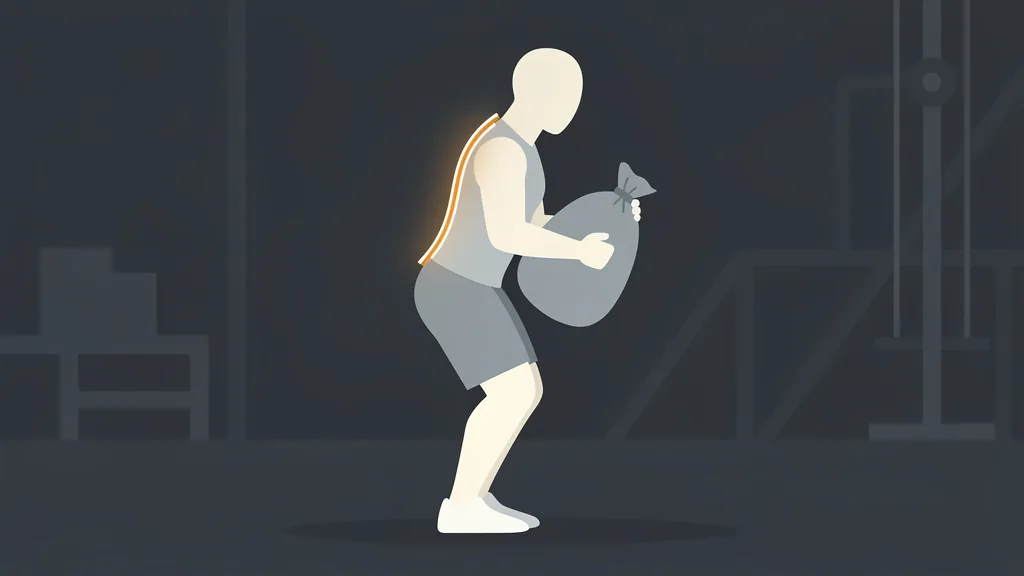
Many hybrid stations load the lower back: the sled push and pull, farmers carry, sandbag lunges and wall balls. Add deadlifts and rowing in training, and your back does a lot of work. A few habits keep it healthy.
This is general guidance, not medical advice. If you have back pain that is severe, spreads down your leg or does not improve, see a professional.
Bracing
Before lifting or pushing, take a breath and tighten your core as if preparing for a push. This supports your spine. Practise it on every heavy lift.
Positions
Sled push
Keep a long, straight line from head to foot. Avoid rounding your back. See sled push technique.
Sled pull
Sit back with your hips, keeping your back straight. Pull with legs and body weight.
Carries
Stand tall, shoulders back. Squat to pick up and put down. See farmers carry in HYROX.
Rowing
Sit tall; avoid hunching at the catch.
Strength work
- Deadlifts and Romanian deadlifts, with good form.
- Back extensions.
- Core work: planks, side planks, dead bugs, bird dogs. See core training.
- Carries: they train the core to resist movement.
Fatigue
Technique often breaks down when you are tired. That is when injuries happen. Stop a set when your form goes.
Recovery
Mobility work for the hips and hamstrings can help. See a 10-minute mobility routine.