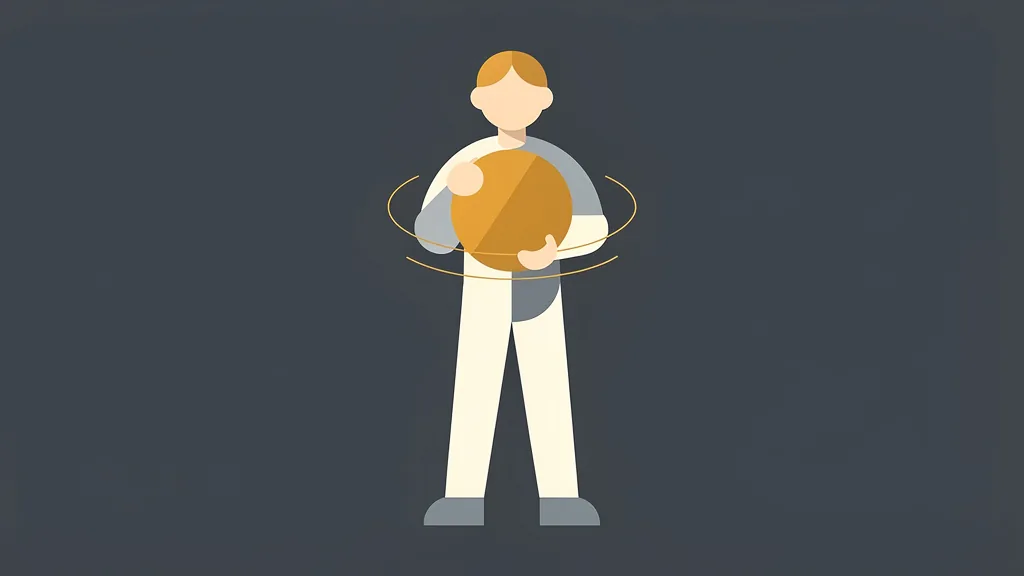
In the weights room, you learn to take a big breath and hold it to brace for a heavy lift. In hybrid racing, stations last much longer than a single lift. You need to brace and keep breathing.
Why breath-holding hurts
Holding your breath for a few seconds during a heavy lift helps you stay stable. Holding it for 30 seconds on a sled push leaves you gasping and makes you stop.
Brace and breathe
Keep your core tight while breathing into your belly and sides. It takes practice, but it lets you stay stable over long efforts.
Station by station
Sled push and pull
Short, sharp breaths with each step or pull. Avoid long holds.
Farmers carry
Keep your core braced and breathe steadily, in time with your steps.
Lunges
Breathe in as you lower, out as you stand.
Wall balls
Breathe in during the squat, out on the throw.
Burpees
Out on the way down, in on the way up.
Ergs
Out on the drive, in on the recovery.
Practising
- Practise breathing patterns in training until they are automatic.
- Try a carry while counting breaths to stay relaxed.
Heavy lifts
For one-off heavy lifts in training, holding a breath to brace is still appropriate. The difference is duration.