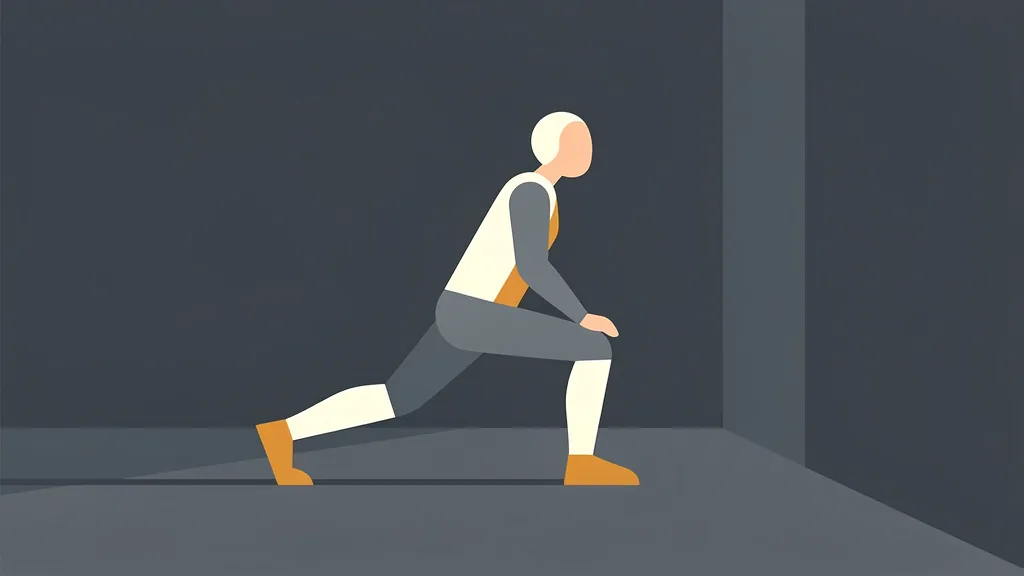
Walking lunges with a sandbag late in a race can leave your legs barely working for the final run and wall balls. Lunge endurance is trainable, and it is one of the most useful things you can build.
The movement
Step forward, lower your back knee to touch the ground, stand up fully and step through. Keep your chest up and drive through your front foot. See sandbag lunges for race technique.
Stage 1: Bodyweight (2–3 weeks)
- Walking lunges: 3 × 20 steps.
- Focus on knee touch, upright posture and a steady rhythm.
Stage 2: Loaded (3–4 weeks)
- Walking lunges with a sandbag or dumbbells: 3 to 4 × 20 to 30 steps.
- Build towards race distance in one set.
Stage 3: Under fatigue (3–4 weeks)
- Lunges after running or other leg work.
- Example: 1 km run, 50 m lunges, 1 km run, 50 m lunges.
Stage 4: Race simulation
- Lunges at race distance and weight, followed by a run and wall balls.
Supporting exercises
- Split squats and Bulgarian split squats: single-leg strength.
- Step-ups: similar movement pattern.
- Squats: overall leg strength.
- Calf raises: the calves work hard on the push-off.
Common problems
- Short, rushed lunges: take a slightly longer step.
- Leaning forward: keep your chest up.
- Knee pain: check your step length and knee position. If pain persists, get it checked.
Recovery
Lunges cause a lot of muscle soreness, especially when you start. Build volume gradually and allow recovery.
Related
Compromised running helps with the run after the lunges.