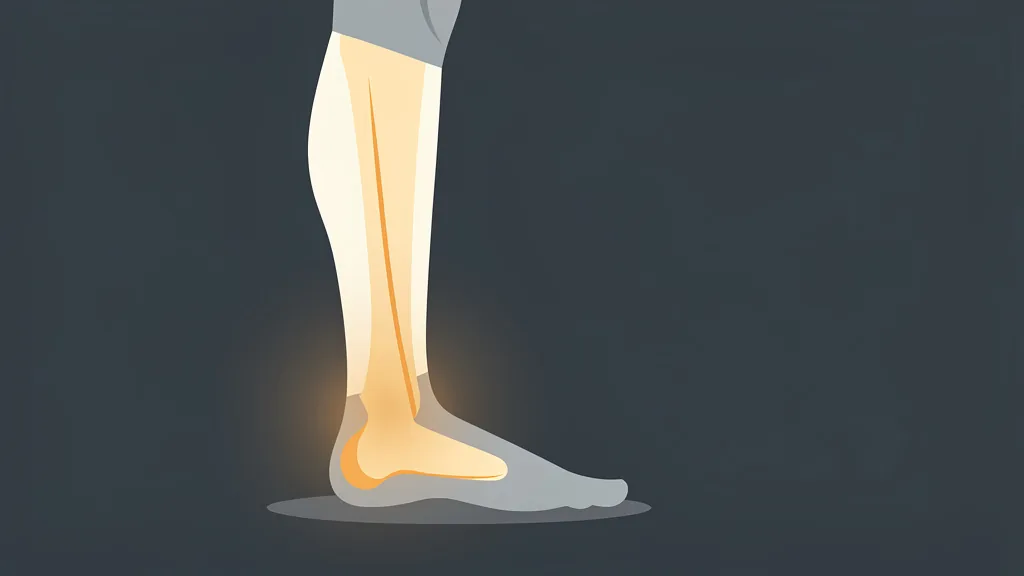
The calves and Achilles tendon take a lot of load in hybrid training. Running, sled pushes, burpee broad jumps and lunges all rely on them. Keeping them strong and healthy is one of the best things you can do to stay training.
This is general guidance, not medical advice. If you have Achilles pain, especially sudden or severe pain, see a professional.
Why they get overloaded
- Sled pushes: driving through the forefoot under heavy load.
- Running: repeated loading, especially when volume rises quickly.
- Jumping: burpee broad jumps and box jumps.
- Footwear changes: moving to a lower-drop shoe can increase calf load. See heel-to-toe drop explained.
Strengthening
Calf raises
- Straight-knee calf raises: 3 sets of 15 to 20.
- Bent-knee calf raises: 3 sets of 15 to 20.
- Progress to single-leg, then add weight.
Slow, heavy raises
Slow lowering (three to four seconds) with added weight builds tendon strength.
Two or three times a week is enough.
Load management
- Increase running and sled work gradually.
- Avoid big jumps in volume.
- Be careful when changing shoes.
Warning signs
- Stiffness in the morning or at the start of runs.
- Pain that gets worse during training.
- Swelling or a lump on the tendon.
If you have these, reduce the load and get it checked.
Recovery
Sleep, rest days and sensible volume all help. See injury prevention for hybrid racers.