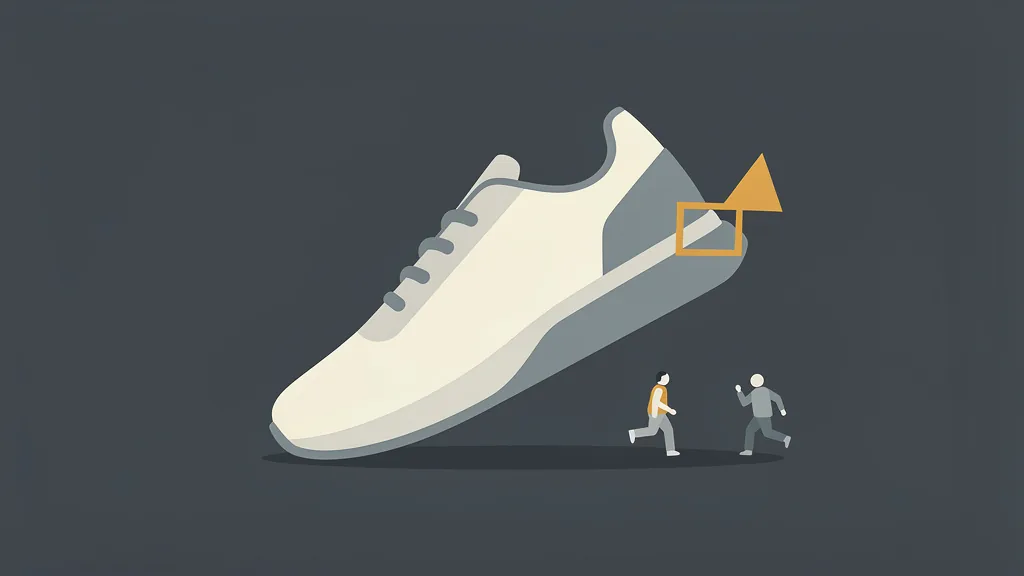
Drop — also called offset — is the difference in height between the heel and the forefoot of a shoe, usually listed in millimetres. It affects how a shoe feels and which muscles work hardest.
High drop
A higher heel than forefoot. Common in traditional running shoes.
- Can reduce load on the calves and Achilles.
- May suit heel strikers.
- Can feel less stable for squats and lifts.
Low or zero drop
Heel and forefoot at similar heights. Common in lifting shoes, many gym trainers and some running shoes.
- More load on the calves and Achilles.
- Feels flatter and more stable for lifts and wall balls.
For hybrid racing
A moderate drop is often a sensible compromise: enough for comfortable running, not so much that stations feel unstable. But personal preference and experience matter most.
Changing drop
If you switch to a much lower drop, do it gradually. Sudden changes can overload the calves and Achilles. See calf and Achilles care.
Drop is not everything
Stack height, foam and shape all affect how a shoe feels. See stack height and stability.