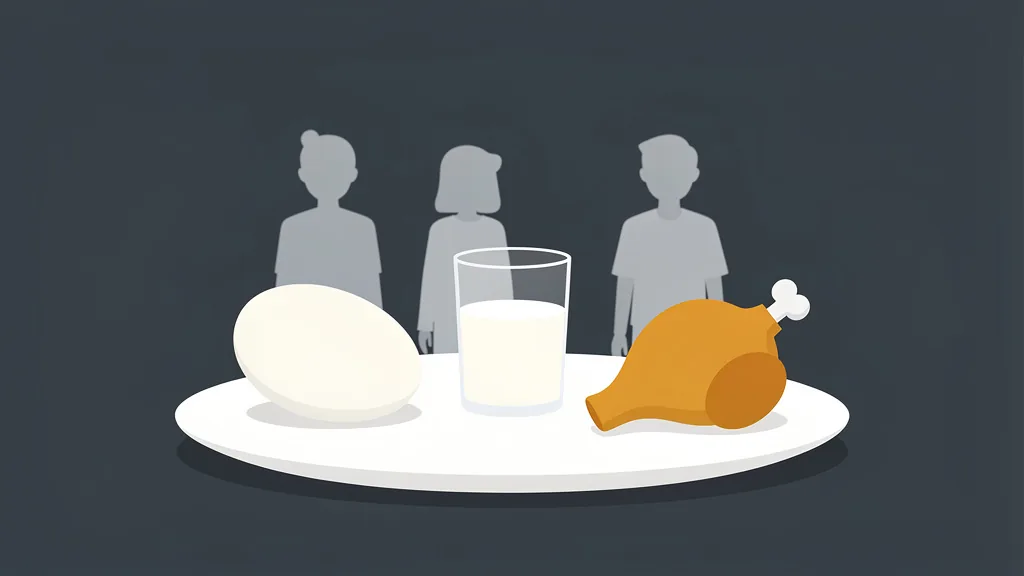
Protein helps your body repair and build muscle after training. Hybrid racers do both strength and endurance work, so getting enough protein matters.
This is general guidance. For personal advice, especially with a medical condition, see a registered dietitian.
How much
Sports nutrition guidelines commonly suggest that active people need more protein than sedentary people. Ranges of around 1.2 to 2.0 grams per kilogram of body weight per day are often cited for athletes. Most people eating a varied diet with protein at each meal get close.
Spread it out
Spreading protein across your meals — rather than eating most of it at dinner — is a common recommendation. Aim for a good portion at each meal.
After training
A meal or snack with protein and carbohydrate within a couple of hours of training helps recovery.
Food sources
- Meat, fish and eggs.
- Dairy: milk, yoghurt, cheese.
- Beans, lentils and chickpeas.
- Tofu, tempeh and soy products.
- Nuts and seeds.
Protein powders
Convenient, but not necessary. If you use one, choose a product tested by an independent third party, especially if you compete in drug-tested events.
Plant-based
It is entirely possible to get enough protein on a plant-based diet. Combine a variety of sources through the day.