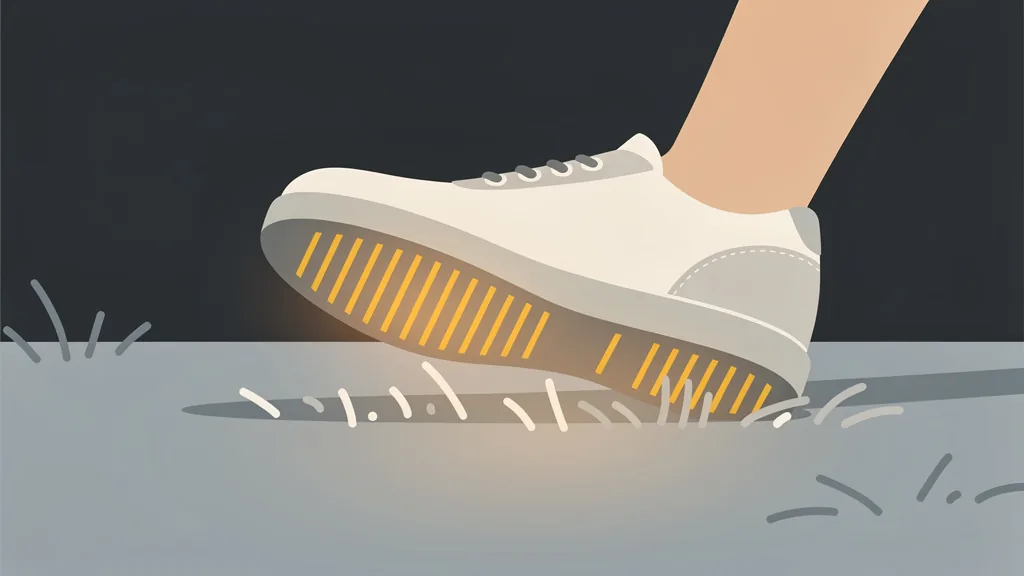
Grip matters most on the sled push and pull. These stations are raced on carpet or turf-like surfaces, and a shoe that slips wastes energy on every step.
Rubber coverage
Look at the forefoot. Full rubber coverage under the ball of the foot usually grips better than exposed foam. Many lightweight running shoes save weight by leaving foam exposed, which can slip on carpet.
Pattern
Multi-directional patterns and small lugs tend to grip carpet well. Very smooth outsoles, or those designed for road, may not.
Rubber type
Softer, stickier rubber grips better but wears faster. Harder rubber lasts longer but can be slippier.
Wear
A worn outsole grips less. Check your shoes before race day. See when to replace training shoes.
Test it
The best test is pushing a sled on carpet in the shoes. If you can, test at race weight.
Dust and sweat
Carpet in a busy hall collects dust and sweat, which reduces grip. Wiping the soles before the sled can help.
Surface differences
Venues vary. Some carpets are grippier than others. A shoe with good grip gives you a margin.