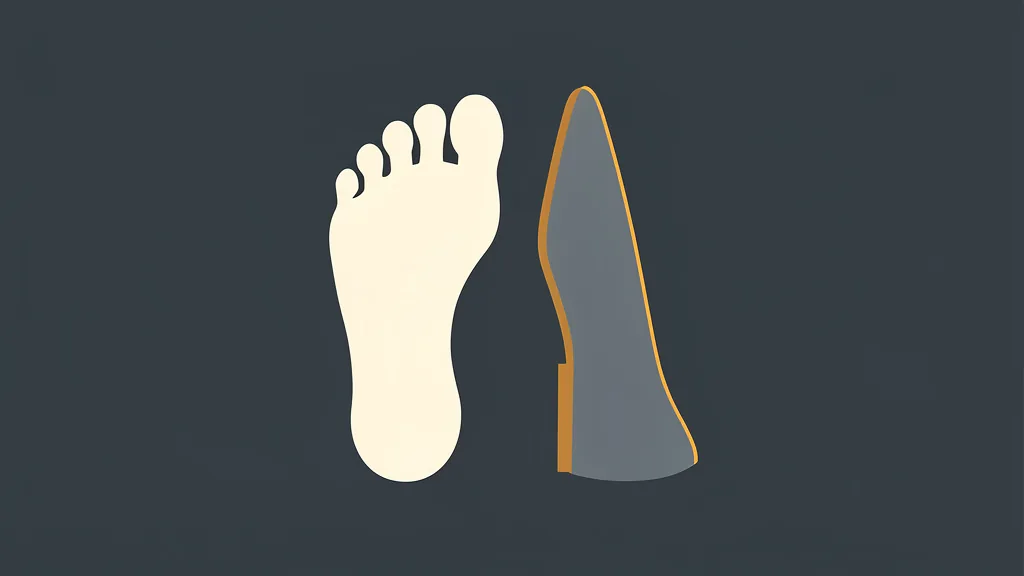
If you have wide feet, finding a shoe that fits can be frustrating. A shoe that is too narrow causes pain, blisters and numbness — and feet swell during a race.
Do not just size up
Going up a size gives more width but also more length. The shoe may then be too long, and your foot slides around.
Wide versions
Many brands offer wide versions of popular models. They are often labelled with letters: in US sizing, D is standard for men and B for women, with 2E and 4E wider for men, and D and 2E wider for women. Labels vary between brands, so check each brand’s sizing guide.
Toe box shape
Look at the shape of the front of the shoe. Some brands have a wider, rounder toe box. Others are narrow and pointed.
Check the widest point
The widest part of your foot should sit at the widest part of the shoe. If it is squeezed, the shoe is too narrow.
Lacing
Skip or loosen the lowest eyelets for more room at the forefoot. See lacing techniques.
Upper material
Stretchy knit uppers can accommodate wider feet more than stiff materials.
Try on properly
Try shoes later in the day, in your training socks. See shoe fit for long races.