The sled pull comes right after the sled push, so you start it with tired legs. It is also the first real test of your grip. Good technique here saves both your time and your hands for the stations that follow.
The set-up
You stand in a marked area and pull the sled towards you using a rope. At the end of each length you walk around and do it again from the other side. The station distance is 50 metres in total.
Stance
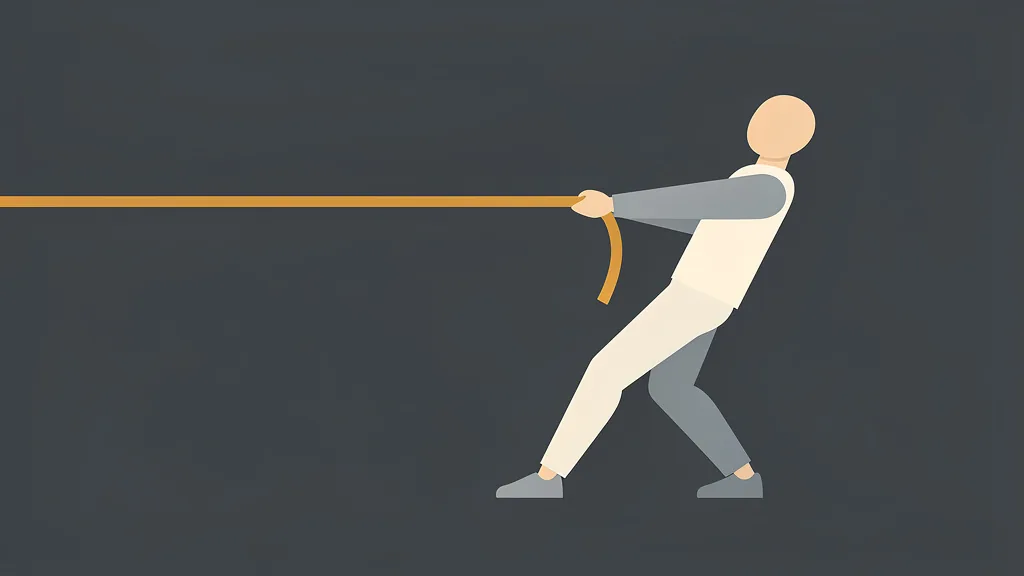
Plant your feet wide with a slight bend in the knees and sit your hips back, like the start of a squat. You are using your body weight as a counterweight. If you stand upright and pull with your arms, you will tire quickly.
Hand over hand
Reach forward, grip the rope, and pull it to your hip by leaning back and driving through your legs. Then reach with the other hand and repeat. Keep the rope close to your body. Long, full pulls work better than short, quick ones.
Keep the sled moving
As with the push, a moving sled is easier than a stopped one. Aim for a steady rhythm so the sled does not settle between pulls. If you have to rest, rest with the sled still moving towards you, not stopped halfway.
Walking back
Some racers step backwards while pulling to increase the distance of each pull. Check the rules at your venue — you must stay within the marked area. Where it is allowed, it can help. Where it is not, it can cost you a penalty.
Manage the rope
The rope piles up at your feet. Keep it in front of you or to one side so you do not trip. Tangled rope costs time and, at worst, a fall.
Protect your grip
You still have the farmers carry and wall balls to come. Use a relaxed grip and let your legs and body weight do the work. If your hands sweat heavily, chalk before you start. Some racers use gloves; there are pros and cons, covered in gloves in HYROX.
Training it
Rope pulls with a sled in the gym are ideal. Without one, heavy rows, deadlifts and hanging holds build the relevant strength. Practise the station after a sled push or leg-heavy set so you learn to pull on tired legs.
After the pull
Burpee broad jumps are next, and your legs and hands will both be tired. Take a moment in the Roxzone to shake out your arms and breathe before you start.